Dinosaur With Fossilized Skin Unearthed In Montana
Fossilized skin of a 65-million-year-old dinosaur discovered in Montana, shedding light on prehistoric life. Read more about this remarkable find.
Sep 19, 20232.6K Shares241.4K Views
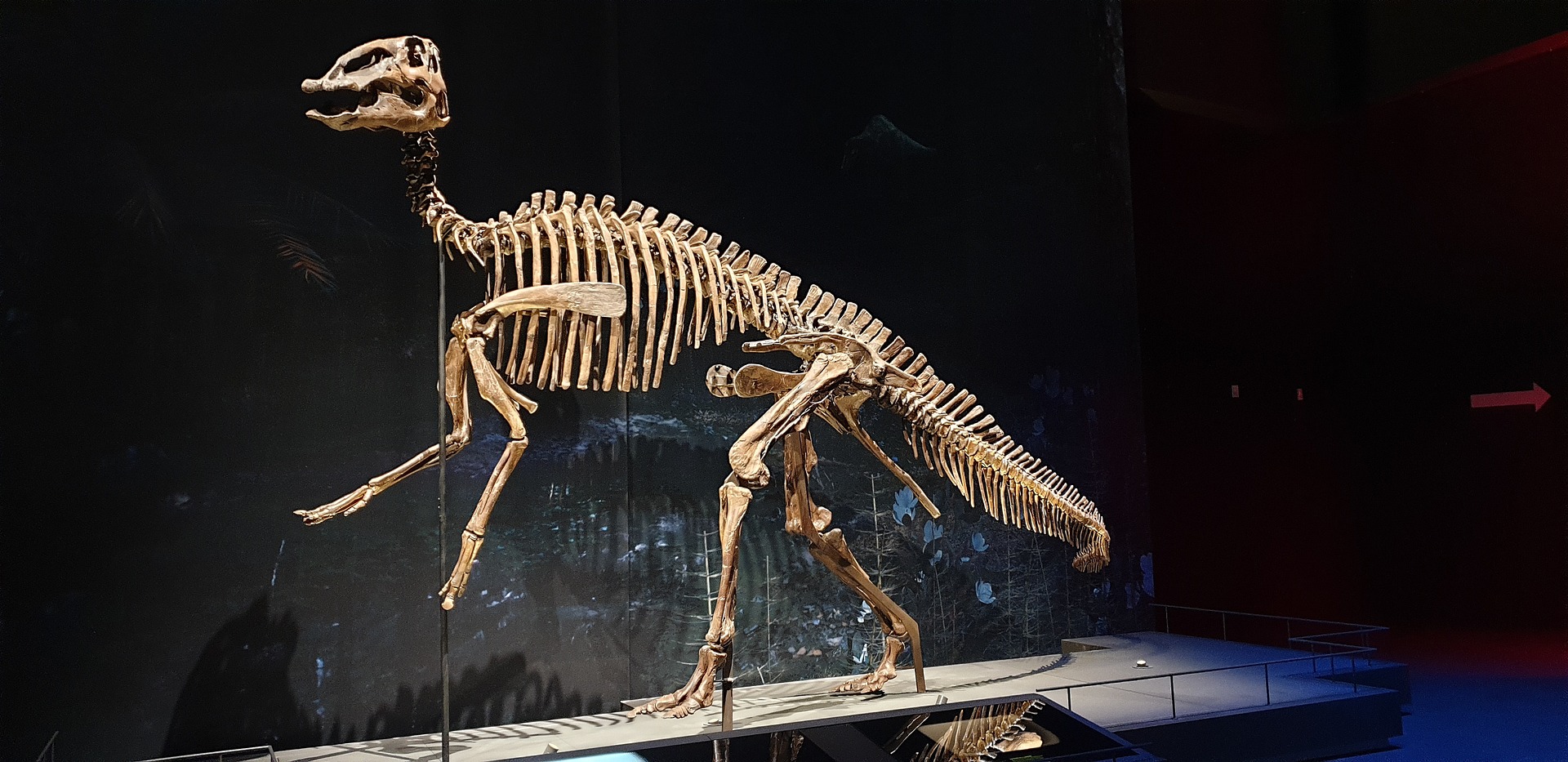
In a remarkable discovery, the remains of a 65-million-year-old Edmontosaurus dinosaur with fossilized skin are currently being excavated on a Montana ranch. This fascinating specimen, found east of Jordan, Montana, is undergoing careful preservation in preparation for its transfer to a museum in October, as reported by Great Falls TV station KRTV.
Edmontosaurus, a herbivorous dinosaur, roamed the Earth between the Campanian and Maastrichtian periods, approximately 83.6 million to 66 million years ago. It was among the last nonavian dinosaurs to exist, coexisting with iconic creatures such as Tyrannosaurus, Albertosaurus, and Daspletosaurus. Edmontosaurus was a common prey for these carnivores.
While dinosaurs are often likened to reptiles due to their scaly skin and reptilian appearance, they share closer similarities with birds. During the Jurassic period, birds branched off from a group of dinosaurs known as theropods.
The discovery of this Edmontosaurus fossil is particularly significant for paleontologists because a portion of its skin is preserved. Typically, dinosaur bones offer insights into size and structure, but intact skin allows researchers to gain a better understanding of the dinosaur's external appearance.
Paleontologist Alan Detrich, the individual responsible for this discovery, estimates the dinosaur's length at 35 feet. He suggests that this particular dinosaur might have had the ability to change its skin color, similar to modern reptiles like chameleons.
Detrich remarked, "That ain't a bad thing if you're 35-40-foot-long and got T. rex looking for you. It was filet mignon. We have nicknamed this Peking duck. You know, that's the quality food, Peking duck. We do that because kids like to call these Edmontosauruses duckbill dinosaurs."
At the excavation site, researchers also found eight teeth believed to belong to Nanotyrannus, a predator with a striking resemblance to the infamous T. rex, albeit much smaller in size.
Bobby Kerr, a rancher in the vicinity of the discovery site, has been aiding paleontologists with their excavation efforts. He described the unexpected encounter, saying, "Didn't know what was there because we're out here looking for cows."
Despite the challenging conditions of working in 100-degree weather, Detrich expressed his motivation, citing "the beauty of the country and the people" and the ongoing fascination with "the mystery of these creatures that lived here, millions of years ago."
This remarkable discovery promises to contribute significantly to our understanding of dinosaur anatomy and behavior, shedding new light on the prehistoric world that once thrived in Montana.
Latest Articles
Popular Articles